Debunking Common Plumbing Myths
Request an estimate
Overview
Inside This Article
It's only natural to run into plumbing issues at home. At some point you'll deal with a clogged sink, an overflowed toilet, or a leaking pipe — that's just part of owning a house. While some minor issues can be handled on your own, a lot of the conventional wisdom floating around about plumbing is flat-out wrong. Acting on bad advice can turn a small problem into an expensive one. Here are some of the most common plumbing myths we hear from Orange County homeowners, and why you shouldn't believe them.
(714) 367-4996Myth: Lemons Can Clean Out the Garbage Disposal
This one gets passed around a lot. The idea is that running lemon halves through your garbage disposal will clean it out and keep it fresh. In reality, lemons do make the disposal smell better for a little while — but they don't clean anything. Worse, the citric acid and rind can actually damage the blades or dull them over time, and in some cases cause them to break entirely. A broken disposal often means a full replacement, which is a much bigger job than a simple plumbing service call. If you want to actually clean your disposal, use dish soap and cold water — not citrus fruit.
Myth: Your Plumbing Is Fine If Your Drains Flow Freely
A drain that runs freely today doesn't mean your pipes are in good shape. Soap scum, food particles, grease, and sediment build up gradually on the inside of your pipes — often without any noticeable slowdown until it's too late. By the time you notice a problem, the blockage is already significant. If it's been a while since your last drain cleaning or plumbing inspection, don't wait for a backup to tell you something is wrong. Routine maintenance catches these issues before they become emergencies.
Myth: Plumbing Snakes and Chemical Cleaners Always Fix the Problem
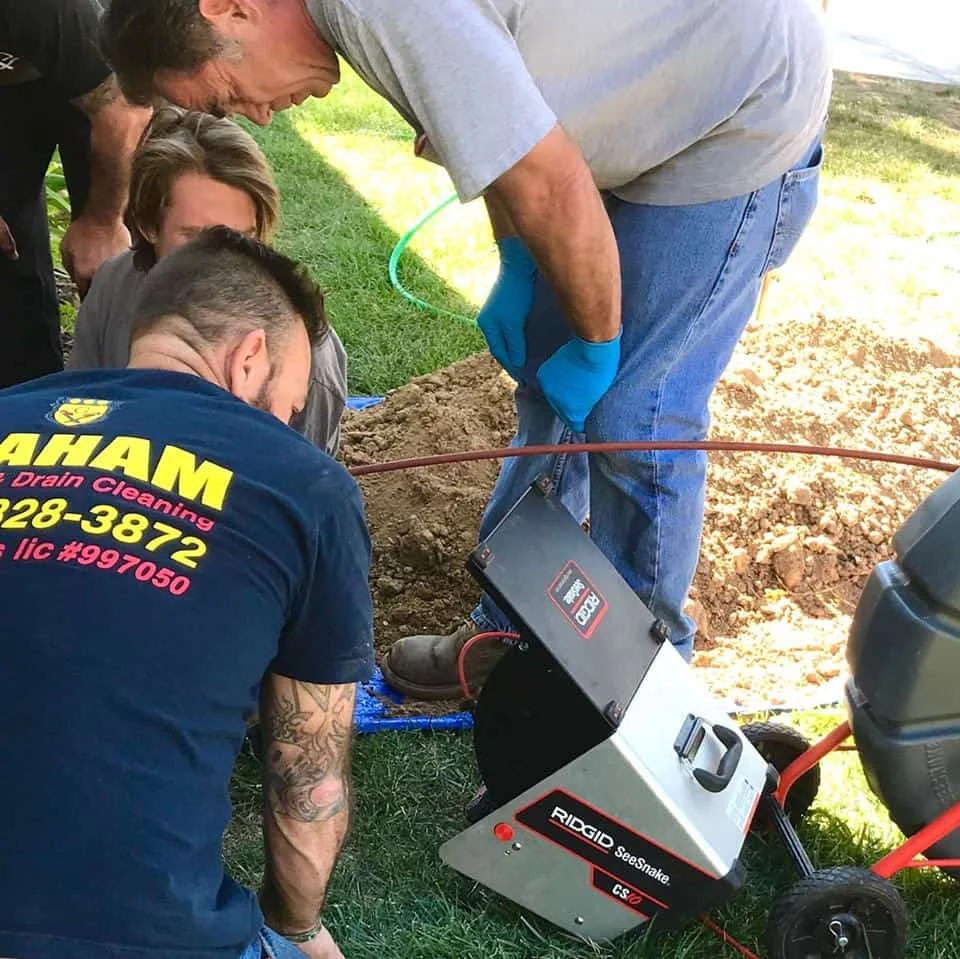
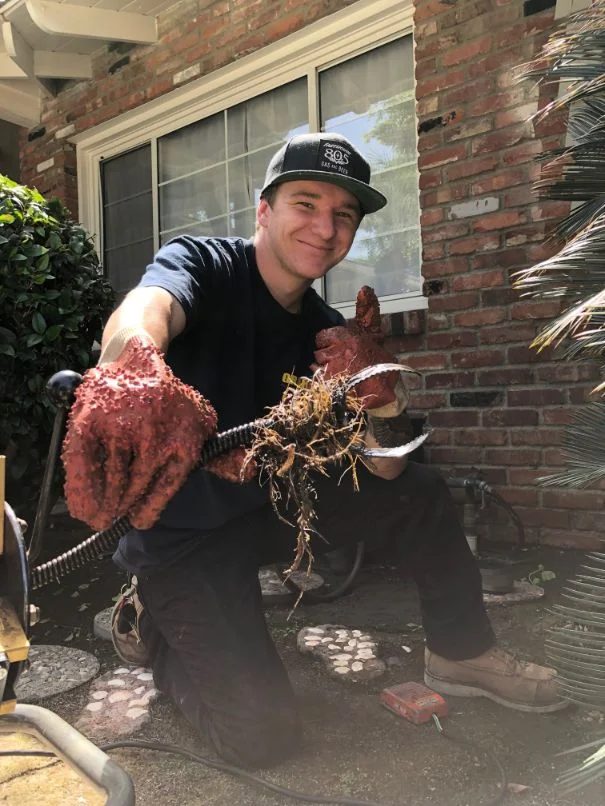
Store-bought chemical cleaners and hand snakes can knock out a light clog near the drain opening — but that's about as far as they go. Deeper blockages don't respond to either. Tree roots infiltrating your sewer line, heavy grease buildup in a main drain, or mineral scale deep in your pipes require professional equipment to clear properly. Hydro jetting, for example, can flush out blockages and buildup that a snake simply pushes past without removing. If you've snaked a drain more than once and it keeps clogging, the fix isn't another snake — it's finding out what's actually causing the problem.

Myth: Water Heaters Don't Need Regular Maintenance
Water heaters are easy to forget about — they sit in a closet or garage and do their job quietly. But sediment from hard water accumulates at the bottom of the tank over time, reducing efficiency and straining the unit. An unmaintained water heater works harder, costs more to run, and fails sooner than one that gets occasional attention. If your water heater is making rumbling or popping sounds, that's sediment buildup making noise as the burner heats through it. Annual flushing and inspection can add years to the life of the unit. Read more about the warning signs in our article on signs you need water heater repair.
Myth: A Slow Drip Isn't Worth Calling a Plumber Over
A faucet that drips once per second wastes over 3,000 gallons of water per year. Beyond the water bill, a slow drip is often the first sign of a worn valve seat, a failing washer, or early corrosion — problems that worsen if left alone. What costs a small amount to fix now can become a full fixture replacement or a leak detection call later if water starts finding its way into walls or under cabinets. Small leaks don't stay small.
Myth: All Plumbers Do the Same Thing
Not every plumber has the equipment or experience to handle every job. A company that mostly does fixture swaps and water heater installs may not be equipped for a trenchless sewer repair or a slab leak. When you're dealing with a serious sewer line issue or a leak under your foundation, who you call matters. It's worth asking what equipment a plumber uses, whether they do video camera inspections before recommending repairs, and whether they carry the right California licenses for the scope of work.
Myth: You Can Flush 'Flushable' Wipes
Despite what the packaging says, wipes labeled 'flushable' don't break down the way toilet paper does. They stay intact much longer in your pipes and sewer line, catching on other debris and building into clogs over time. This is one of the most common causes of sewer line backups we see. If you're having repeated toilet or drain backups and can't figure out why, wipes are usually near the top of the suspect list. Stick to toilet paper — nothing else belongs in the bowl.
Myth: A Gurgling Drain Is Just an Annoyance
Gurgling sounds from your drain or toilet aren't a quirk — they're a symptom. That sound is air being pulled through a partial blockage or a venting problem in your drain system. Left alone, it typically means the blockage is growing. It can also indicate a problem with your main sewer line. If you're hearing gurgling regularly, it's worth a call before it turns into a full backup. You can also read more about why a clogged drain is worth calling a plumber about.
Myth: DIY Plumbing Repairs Save Money
Some plumbing work is genuinely within reach for a handy homeowner — changing out a showerhead, for example. But most repairs involve more than they appear to. Incorrect pipe connections, over-tightened fittings, and improper venting are common mistakes that cause bigger problems down the line. In California, certain plumbing work legally requires a licensed contractor. Before you reach for the wrench on anything beyond the basics, it's worth reading why plumbing repairs aren't DIY tasks — the math on what goes wrong doesn't usually favor the savings.
When in Doubt, Call a Licensed Plumber
The myths above share one thing in common: they all encourage homeowners to underestimate the problem or handle it themselves with something that doesn't actually fix it. That delay usually makes the job bigger and more expensive. Graham Plumbing and Drain Cleaning serves Orange County and LA County with same-day availability and 24-hour emergency service. CA License #997050. Call us at (714) 367-4996 or check our testimonials to hear from other OC homeowners.