Why Video Camera Inspections Are Important
Fig. 01 — Recent work

Why Video Camera Inspections Are Important

4.9 · 309 Google reviews Licensed & insured · CA Lic. #997050

Request an estimate

No obligation · Responds within 1 business day

Overview

Inside This Article

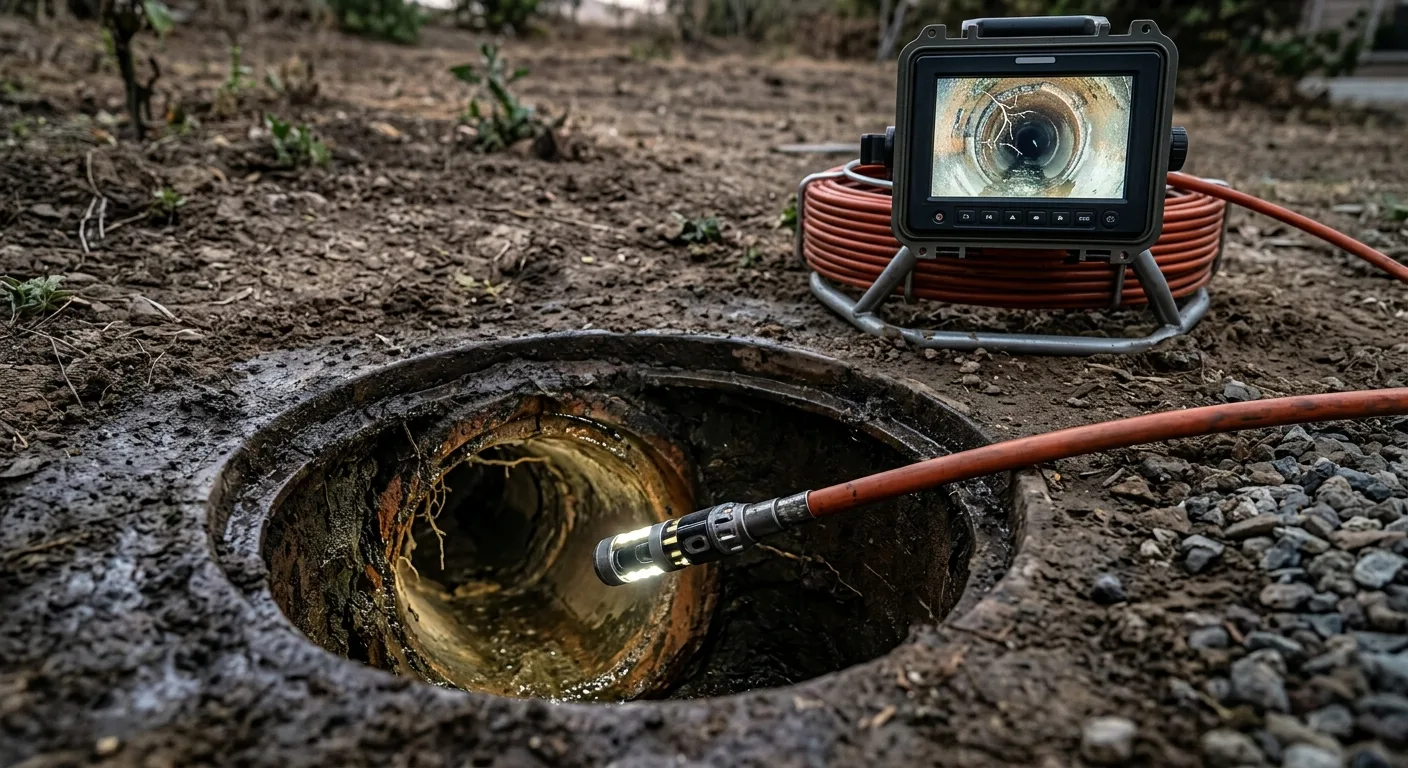
Your plumbing and sewer pipes are hidden in places that are genuinely hard to reach. Underground, beneath concrete slabs, and buried behind walls — these are exactly the spots where trouble starts and stays invisible until it becomes expensive. At Graham Plumbing and Drain Cleaning, we run a flexible cable-mounted camera directly into the pipe so we can see what's actually going on, not what we suspect might be going on.

Video camera inspection removes the guesswork. Instead of opening walls or digging trenches to hunt for a problem, a trained technician feeds the camera through a clean-out or access point and gets a real-time view of the pipe interior. Corrosion, root intrusion, buildup, cracks, bellied sections — all of it shows up on screen. What used to require excavation now takes minutes to diagnose.

(714) 367-4996

What the Camera Reveals

Modern video inspection equipment shows technicians exactly what's inside your pipes — no assumptions, no unnecessary digging.

Fig. 03

Root Intrusion

Tree roots follow moisture. Once they find a crack or a loose joint, they work their way in and keep growing. Camera inspection shows exactly where the intrusion is and how far it's spread — information that determines whether drain cleaning will clear the line or whether a repair is needed.

Fig. 04

Pipe Corrosion and Deterioration

Older homes in Orange County and the LA Basin were often built with galvanized steel pipe. Over decades, that pipe corrodes from the inside out. A camera reveals how much wall remains, whether the pipe is still serviceable, or whether copper or PEX repiping should be on the schedule.

Fig. 05

Grease and Buildup

Kitchen drain lines collect grease, soap, and food debris in layers over time. A camera inspection shows just how restricted a line has become — and confirms whether hydro jetting is the right tool to restore full flow or whether a partial blockage is still manageable with standard cleaning.

Fig. 06

Cracks, Breaks, and Bellied Pipe

Ground movement, settlement, and age can cause sewer lines to crack or sag. A bellied section — where the pipe dips and allows waste to pool — won't show up in a standard drain test. The camera catches it immediately.

Fig. 07

Leak Sources

Water that shows up in a crawl space or saturates a yard doesn't always have an obvious entry point. Camera inspection narrows the search down to the exact section of pipe, which is why it works alongside leak detection to eliminate the need for exploratory digging.

Fig. 08

Connection and Joint Problems

A pipe that's slightly misaligned at a joint lets water escape slowly without triggering an obvious backup. That kind of slow leak can saturate a slab foundation over months before anyone notices. Camera inspection catches it early.

For Home Buyers: Know What You're Inheriting

A camera inspection is one of the most practical things a prospective home buyer can request before closing. The standard home inspection covers what's visible — inspectors don't snake a camera through the sewer lateral to the street. That lateral is the homeowner's responsibility, and it can be a significant expense if it's deteriorated, root-infiltrated, or collapsing.

Requesting a pre-purchase sewer camera inspection gives buyers real information: the age and condition of the drain and sewer lines, any immediate concerns that should factor into the offer price, and a realistic picture of what plumbing work might come up in the first few years of ownership. Older homes in Garden Grove, Anaheim, and Santa Ana — where the housing stock runs post-war — frequently have original cast iron or galvanized lines that are nearing the end of their service life. Knowing that before you close is worth more than the cost of the inspection.
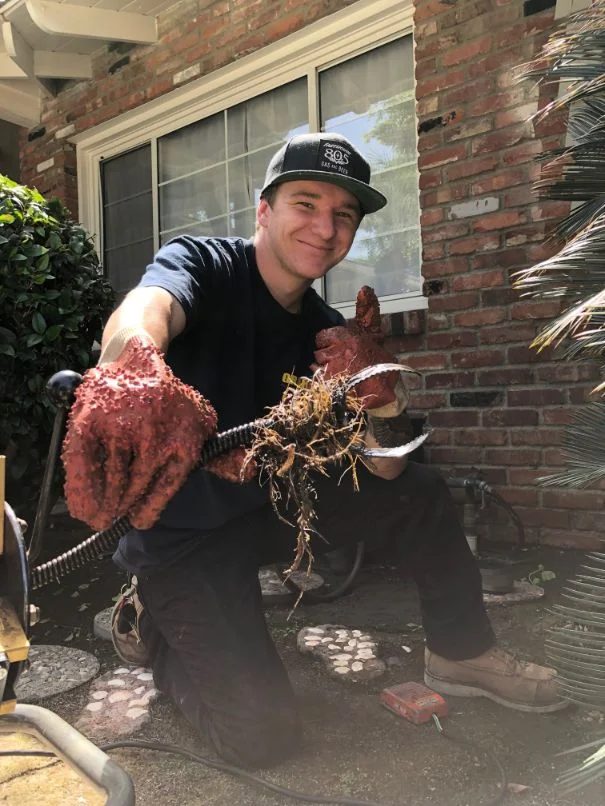
A person holding extracted roots and debris from a clogged drain or pipe during drain cleaning service in a residential exterior courtyard.
Fig. 02 — For Home Buyers: Know What You're Inheriting
Plumbing work — project example in CA
Fig. 03 — When Pipe Replacement Is Necessary

When Pipe Replacement Is Necessary

Sometimes inspection reveals that the damage has moved beyond what a repair can address. A sewer line that's severely collapsed or corroded along a long run may need full replacement rather than spot repair. In those cases, the camera footage guides the scope of the job — showing exactly how much of the line is compromised and where the intact pipe begins.

For plumbing repairs in Brea and surrounding Orange County communities, Graham Plumbing uses camera inspection before recommending any significant repair or replacement. The footage is what drives the recommendation, not an assumption. After the work is complete, a final inspection documents the finished condition of the pipe and gives homeowners a clear record of what was done.

Schedule a Camera Inspection

Slow drains, recurring backups, unexplained wet spots, or a sewer line you've never had looked at — any of these are good reasons to run a camera. Same Day Service available in LA and Orange Counties.

Common Questions About Video Camera Inspection

Answers to what homeowners typically ask before scheduling an inspection.
01 Does camera inspection damage the pipe?
No. The camera is mounted on a flexible cable that moves through the pipe without making contact with the pipe walls in a way that causes damage. It's a diagnostic tool, not an invasive one.
02 How long does a camera inspection take?
Most residential sewer line inspections are completed in under an hour. A technician feeds the camera from a clean-out or access point and works through the line section by section. The footage is reviewed in real time.
03 Can a camera inspection find a slab leak?
Camera inspection works best for pipe interiors — it's very effective at identifying cracks and leak points inside a line. For pinpointing where a slab leak is occurring beneath a concrete foundation, it's typically used alongside other detection methods. See our related post on signs you need water heater repair for an example of how different diagnostic approaches serve different problems.
04 Should I get an inspection even if I don't have a problem?
If you've never had the sewer line inspected on an older home — particularly homes built before 1980 in areas like Brea, Fullerton, or Anaheim — a baseline inspection is worth doing. It tells you what condition the line is in before a problem forces the issue.
05 Do you provide the footage afterward?
Yes. The camera inspection footage documents what the technician found and serves as a record of the pipe's condition. If a repair is recommended, the footage is part of what informs that recommendation.