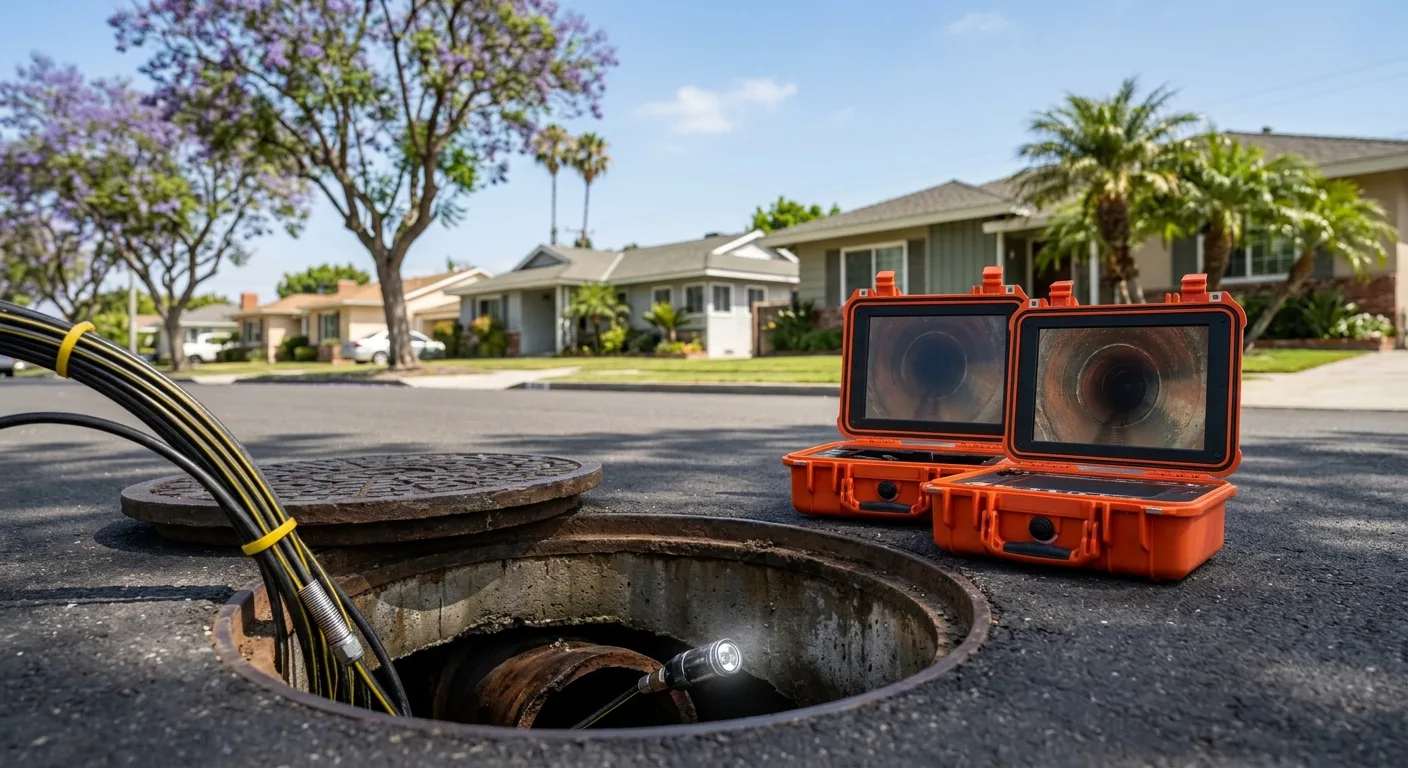
A Home Buyer's Guide to Sewer Inspections
Request an estimate
Overview
Inside This Article
May through August account for 40% of all homes sold in a given year — and most buyers signing those purchase agreements have no idea what's running beneath the property they're about to own. Your standard home inspection covers a lot of ground. The sewer line isn't one of them.
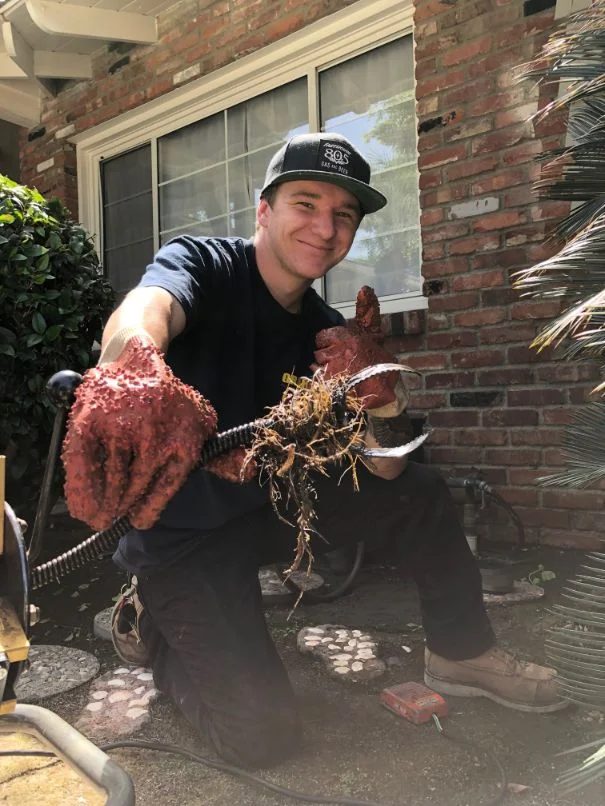
From your front door to the city main line at the street, every inch of that pipe is your responsibility the moment escrow closes. Broken joints, tree root intrusions, grease buildup, partial collapses — none of it shows up on a disclosure form, and none of it will appear in a standard inspector's report. It shows up later, usually backed up into your kitchen or bathroom, and usually at the worst possible time.
(714) 367-4996Your dream home, your sewer line
This is the part most real estate agents don't bring up: the homeowner is solely responsible for the sewer lateral — the pipe that runs from the house to the city main. The city owns the main. Everything else is yours. That means if a root has been slowly cracking your new home's sewer pipe for the last decade, you inherited that problem the day you got the keys. When the line finally backs up, it doesn't stop at the cleanout. It can back up all the way into your home, causing thousands of dollars in property damage to floors, walls, and personal belongings. Understanding your plumbing before you buy isn't just smart — it can protect you from a financial hit that no home warranty will cover.
Be a savvy buyer — get a camera inspection before you close
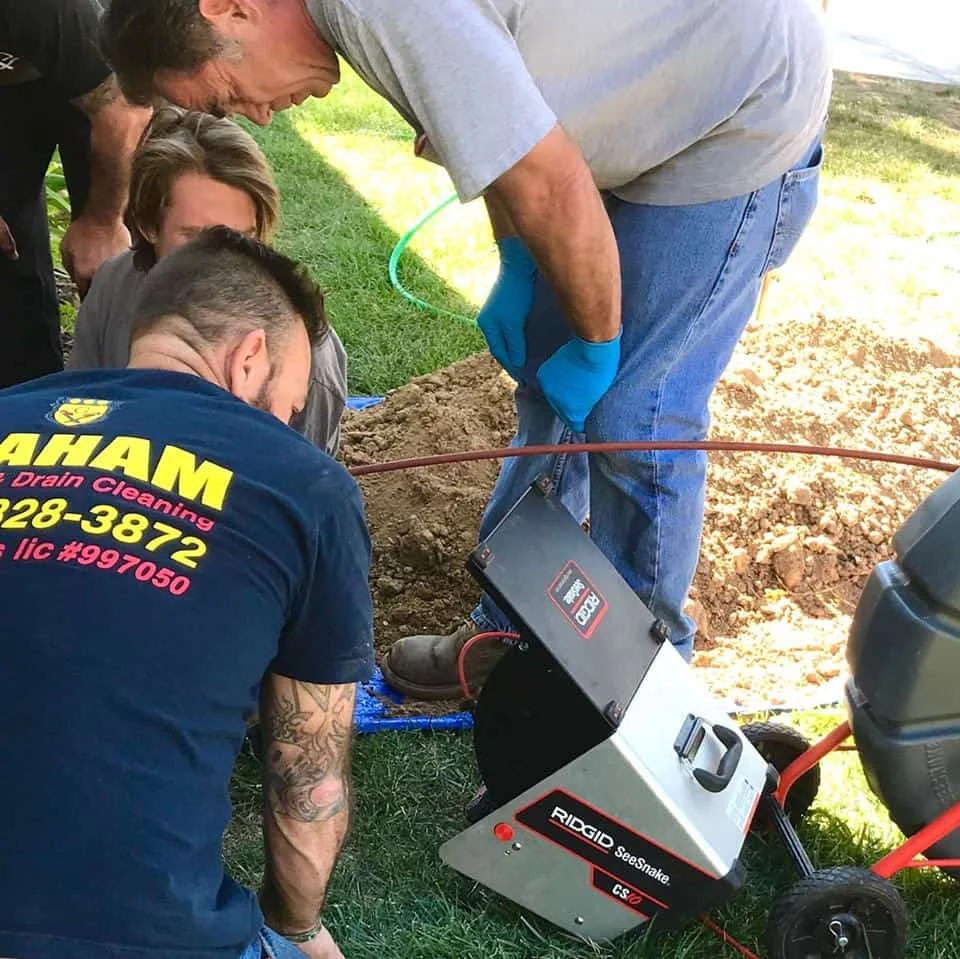
Before purchasing any property, have a video camera inspection run on the main sewer line. This gives you eyes on exactly what's inside that pipe — the condition of the joints, whether roots have intruded, whether there's buildup narrowing the line, or whether a section has settled or cracked. That information does three things: it helps you make a more educated buying decision, it gives you a real negotiating point with the seller, and it lets you plan and budget for any upcoming maintenance or repairs. A few hundred dollars before closing can save you from a repair bill that runs into the thousands.
What a video camera inspection actually shows
A video camera inspection lets your plumber see inside the pipe without ever breaking ground. The camera travels the length of the sewer lateral and sends back a live feed — no digging, no disruption to the yard or landscaping. Common findings include leaks at pipe joints, cracked or broken sections, tree root intrusions, grease or debris blockages, and low spots or bellies in the line where waste tends to pool. If problems are found, you have options — including trenchless sewer repair methods that don't require excavating your yard. If the line looks clean, you close with confidence. Either way, you know what you're buying.

Don't skip septic, either
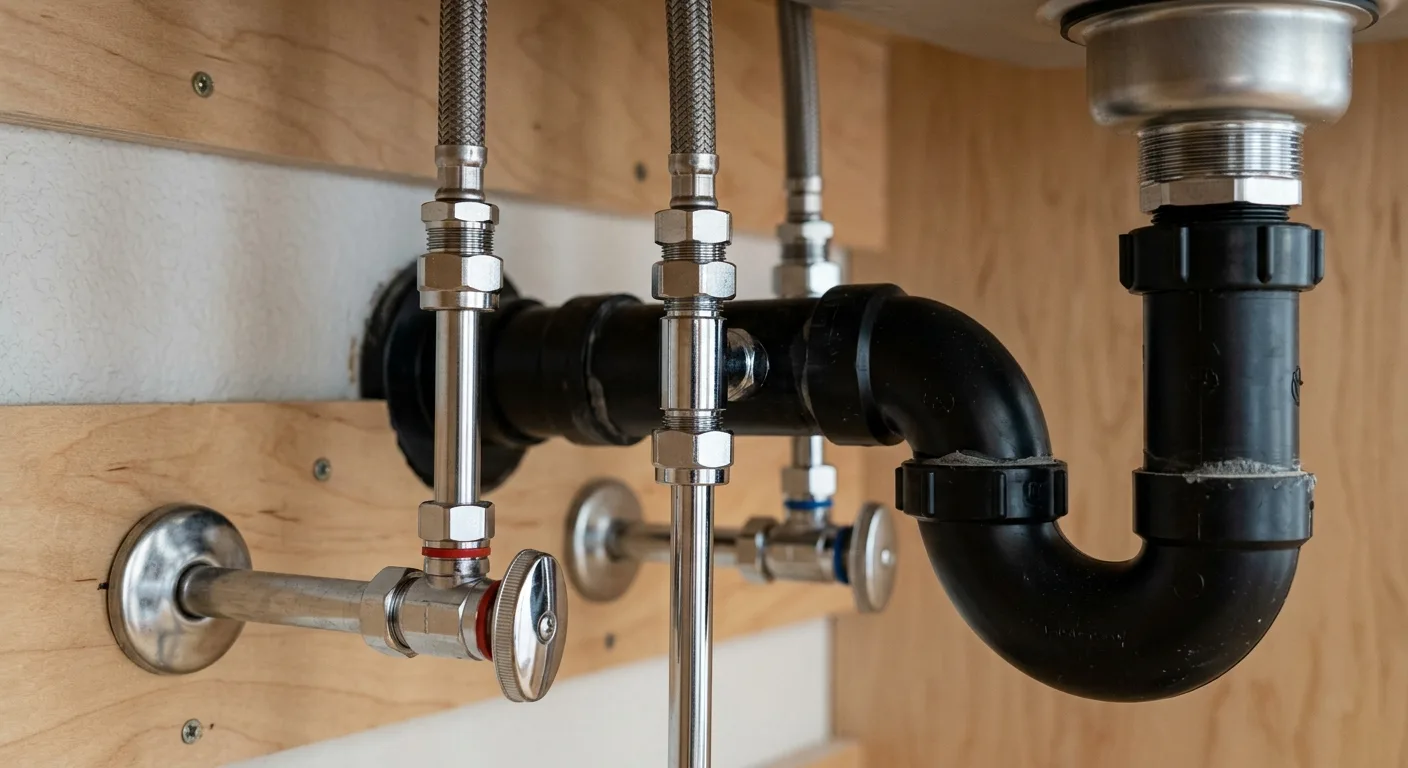
If the property uses a septic system rather than a municipal sewer connection, the stakes are even higher. Septic systems have a service life — tanks fill, drain fields fail, and a system that's been neglected can require a full replacement that runs well above $10,000. A septic inspection should be completed by a licensed professional before you close. Ask when the tank was last pumped, whether there's a record of past inspections, and whether the drain field shows any signs of saturation. This is not something to take the seller's word on.
What to ask before you schedule an inspection
Not all camera inspections are the same. Ask whether the plumber will provide a recorded video you can keep — not just a verbal report. Ask whether they'll give you a written assessment of what they found and what it means. Ask whether they carry a CA license (ours is #997050). A professional sewer scope should take 30–60 minutes depending on the length of the lateral and the condition of the pipe. If a company is in and out in ten minutes, ask questions. Read our guide on what to look for in a plumbing company before you hire anyone for this job.
Schedule a sewer camera inspection today
Graham Plumbing and Drain Cleaning provides video camera sewer inspections throughout Orange County and Los Angeles County. Same day service is available. If you're in the middle of a home purchase and need an inspection scheduled quickly, call us — we understand how tight the escrow timeline can be. Reach us locally at (714) 367-4996 or toll free at 888-828-3872. We're licensed (CA License #997050), bonded, and insured. Our drain cleaning and sewer services are available across the area — including Brea and surrounding communities.