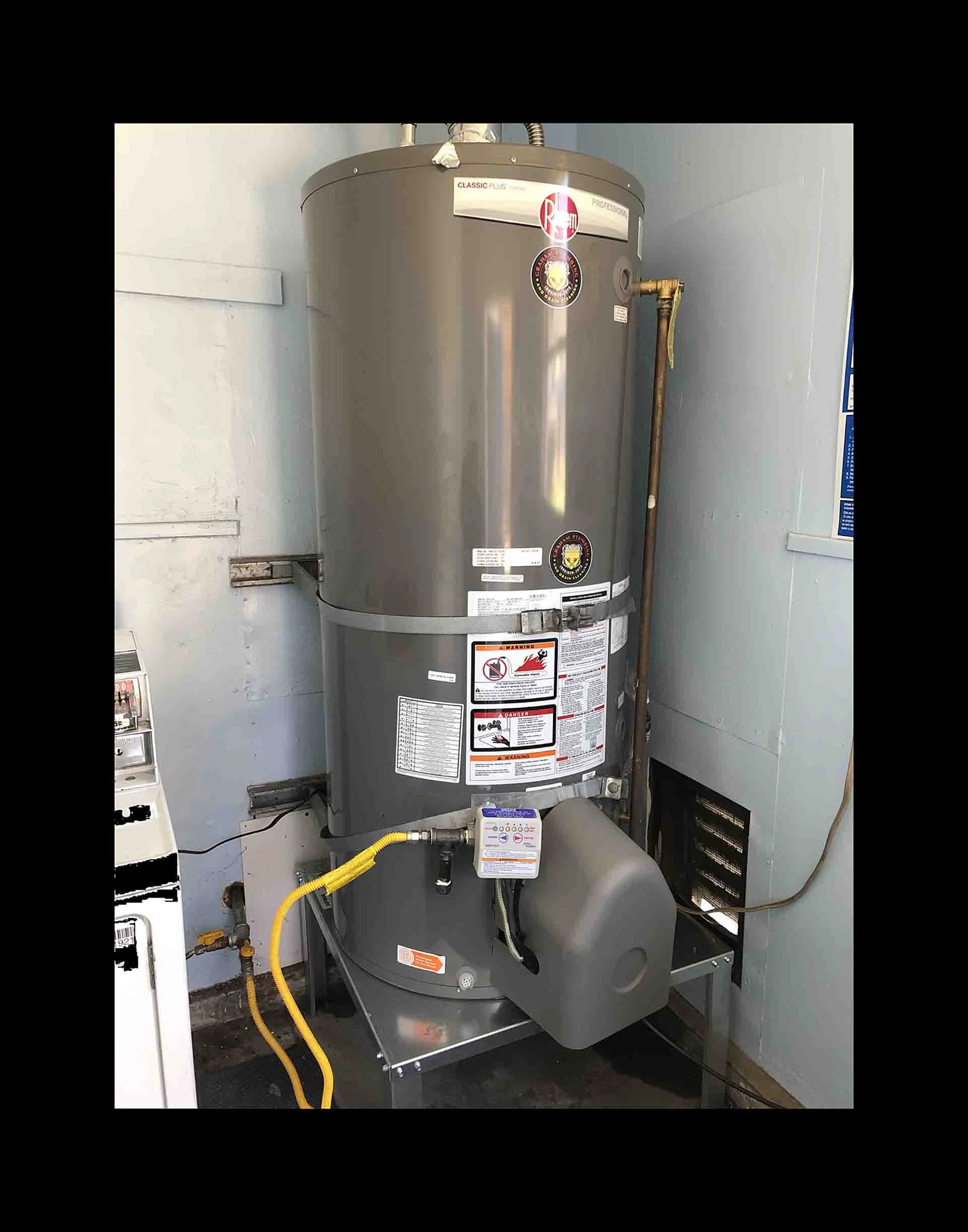
Water Heater Maintenance: Keep It Running Right
Request an estimate
Overview
Inside This Article
Hot showers, clean clothes, and clean dishes — we rely on our water heaters every single day, right up until the moment they stop working. By taking a few simple steps every six months, you can keep your unit running efficiently and push well past its 15-year expected lifetime.
Before you start, one important caveat: tankless water heaters contain high-tech components that aren't built for DIY maintenance. If you have a tankless unit, skip the self-service and call a trained plumbing expert — attempting to service it yourself can do more harm than good. Everything below applies to standard tank-style water heaters. And if at any point you run into a repair that's beyond routine maintenance, our water heater repair service is a call away.
(714) 367-4996Lower the Thermostat to 120°F
Most water heaters ship from the factory set to 140°F — hotter than you need and harder on the unit. Dropping the thermostat down to 120°F can cut roughly 5% off your monthly energy costs and reduces mineral buildup inside the tank. Find the dial on the side of the unit (sometimes behind an access panel on electric heaters), turn it down, and give the tank a few hours to stabilize before testing the tap.
Flush Out Sediment Once a Year
Mineral sediment settles at the bottom of your tank over time, making the heater work harder and cutting into its lifespan. To flush it out, turn off the cold water supply and connect a garden hose to the drain valve at the base of the unit. Then briefly turn the cold water supply back on — this stirs up the settled sediment. Let the water drain into a bucket, down a floor drain, or outside until it runs clear. Once it does, shut off the cold water supply before removing the hose, then reopen the supply valve and let the tank refill completely.
Test the Temperature and Pressure Relief Valve
The T&P (temperature and pressure) relief valve is a small but critical safety device — it prevents dangerous pressure buildup inside the tank. To test it, place a bucket under the discharge pipe, then lift the valve's lever for a few seconds. You should hear a rush of air or see a small burst of water. If nothing happens, or if the valve continues leaking after you release it, it needs to be replaced. This is a plumbing job worth having a professional handle.
Inspect the Anode Rod Every Few Years
The anode rod is a sacrificial metal rod inside the tank that attracts corrosive minerals and corrodes in place of the tank walls — protecting the tank itself. Once the rod is spent, the tank starts corroding instead. Check it every two to three years: unscrew it from the top of the heater (you may need a socket wrench and some effort). If it's coated in calcium, down to less than half its original thickness, or showing bare wire, replace it. A new anode rod costs very little compared to a new water heater.
Check for Leaks and Corrosion
Take a few minutes to visually inspect the connections at the top of your water heater — the cold water inlet, the hot water outlet, and the pressure relief valve. Look for rust staining, white mineral deposits, or any sign of moisture. A slow drip at a fitting can often be tightened or re-sealed before it becomes a bigger problem. If you're seeing rust-colored water at the tap, that's a sign the tank itself may be corroding from the inside. At that point, it's worth calling us — signs you need water heater repair aren't always obvious until things get worse.
Insulate Exposed Hot Water Pipes
If the hot water pipes near your water heater are exposed, wrapping them in foam pipe insulation reduces heat loss between the tank and your faucets. This means less time waiting for hot water at the tap and a modest reduction in energy use. Pre-cut foam sleeves are inexpensive and available at any hardware store — just measure the pipe diameter before you go. It takes about 20 minutes and makes a noticeable difference.
When to Call a Professional
Regular maintenance keeps most water heaters in good shape, but some things aren't DIY territory. If you notice rumbling or popping sounds from inside the tank, consistently inconsistent water temperature, rust-colored water, or moisture pooling at the base of the unit, it's time to stop and call. The same goes for any work on the gas lines connected to your heater — gas connections require a licensed contractor, no exceptions.
If you're unsure whether your water heater needs repair or replacement, we can help you sort it out — no pressure, no upsell. Call us at (714) 367-4996. We serve Brea, Anaheim, Fullerton, and throughout Orange County with same-day service available.
Ready to Get Started?
A small amount of attention every six months is all it takes to protect a 15-year investment. But if you'd rather leave the maintenance to someone else — or if something's already gone wrong — Graham Plumbing and Drain Cleaning is here. CA License #997050. Bonded and insured. Same-day service available throughout LA and Orange Counties. You can also check our coupons page for current service offers, or read what to look for in a plumbing company before booking anyone for a job.